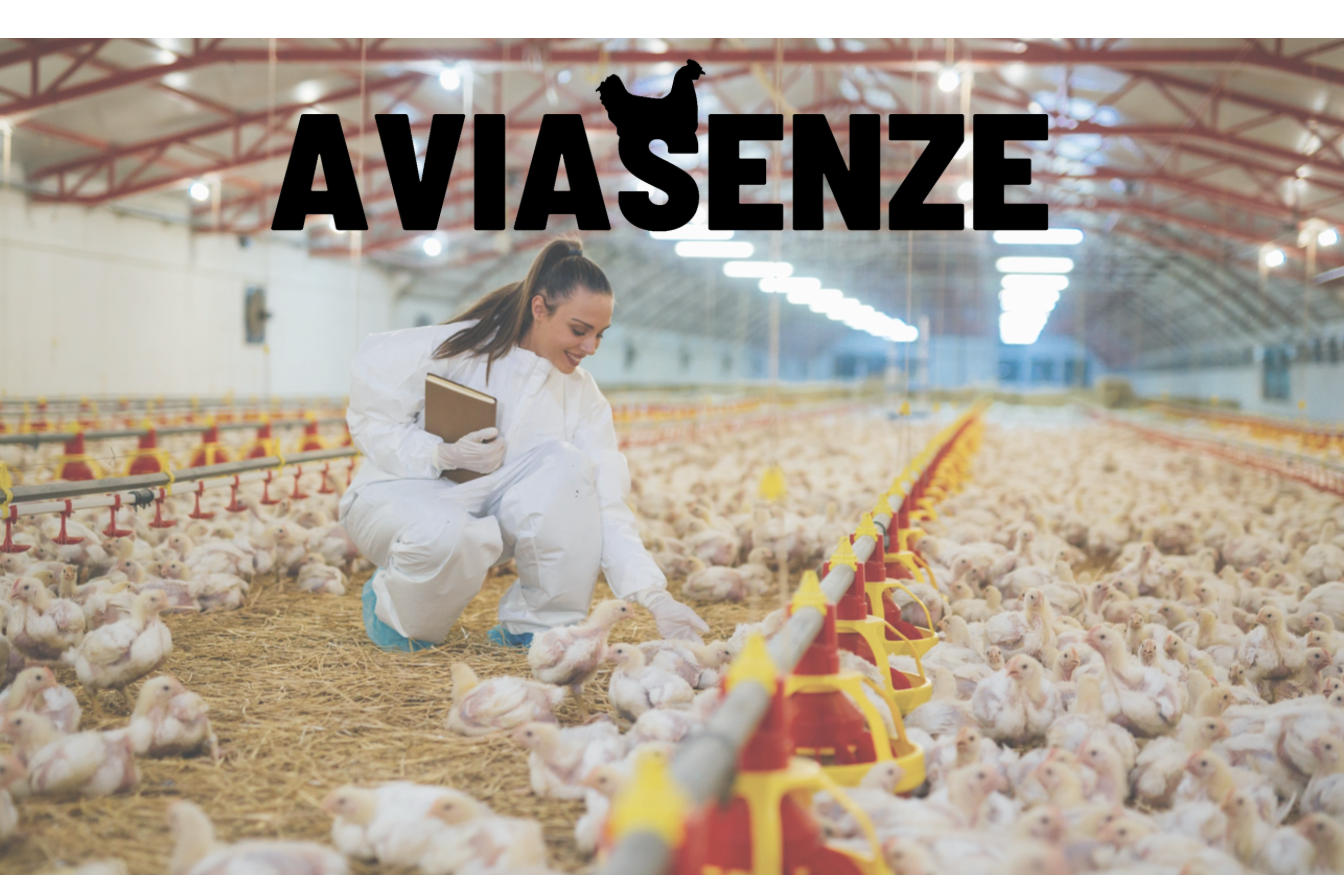
Aviasenze and vHive: Using Intelligent Lighting to Improve Poultry Welfare

Q&A with James Theobald, founder, aviasenze

What is Aviasenze and why did you create it?

Aviasenze combines advanced LED lighting with sensing technology to help poultry farmers manage barns more precisely. I have worked with LEDs for around 30 years, watching them evolve from dim bicycle lights to powerful, efficient tools used in horticulture, healthcare and now animal environments.

The idea behind Aviasenze is simple. Farms are difficult places to retrofit with new technology. We wanted a solution that used the fittings they already have. Our product is a multi-sensed light bulb that screws into a standard socket but includes controllable LED spectra, microphones, cameras and environmental sensors. It monitors conditions across the barn and allows farmers to adjust lighting and management based on real time insight.

Why is lighting so important in poultry farming?

Chickens are highly responsive to light. Colour, brightness and day length all affect how they eat, grow and rest. Red light increases activity, blue light is calming, and sudden changes in light intensity can cause stress and even mortality.

Historically, experienced flock managers relied on a mixture of observation and sound to judge how a barn was performing. Those skills take years to acquire and there are fewer people coming into those roles. Aviasenze supports farmers by providing continuous monitoring across every light point in the barn, rather than brief walk-through checks.

What makes Aviasenze different?

There has been plenty of university research into coloured LEDs and poultry, but very little that combines advanced lighting with sensing in a retrofit form. Our focus at this stage is not cost. It is to build the best possible technical platform and prove its value convincingly before scaling.

Each bulb helps detect behaviour patterns such as clustering, listens for signs of stress or potential disease, and tracks growth trends through changes in vocal pitch. Because we are working on a large commercial site with multiple identical barns, we can compare results against clear controls and build robust data sets.

Why did you join vHive and how has it helped?

I joined vHive because it sits at the crossroads of animal health innovation, research and commercial practice. The regular sessions bring in investors, clinicians, commercial experts and fellow founders. Even when the content is not poultry specific, the wider animal health context is extremely useful.

The network has already opened important doors. Through vHive we have built a relationship with the Pirbright Institute, a world-leading UK research centre in Surrey focused on preventing and controlling diseases in livestock. Together we are exploring whether our microphones can detect early signs of disease and track what happens when birds are treated. We are also working with Nottingham Trent University on light spectrum trials, and vHive has supported several grant submissions that underpin these projects.

Being able to reference vHive and partners such as Zoetis gives us added credibility and helps us make connections with farmers and researchers who might otherwise be hard to reach.

Where is Aviasenze now and what comes next?

Our focus over the next year is to run the system in around five barns and complete seven flock cycles, which equates to monitoring roughly one million birds. That will allow us to refine the product, quantify welfare and productivity gains and present clear results to the market.

In parallel, I am building links with poultry researchers worldwide and would like Aviasenze to be used as a research tool in multiple countries. The challenges around welfare, productivity and disease risk are shared across regions, so the learning is widely applicable.

What advice would you give to others starting out in animal health?

Expect everything to take longer than you think. Farmers adopt new technology cautiously, and early adopters do not always represent true market demand. Build steadily, keep your overheads under control and wait for genuine pull from the market before racing ahead.

Most of all, surround yourself with people who understand both the science and the commercial realities. Communities like vHive help you avoid common pitfalls and remind you that you are not tackling these challenges alone.

To find out more about the vHive Incubator, or to express your interest in applying for the next cohort, click the button below to learn more:

More News & Events

27 Apr 2026
Join us to celebrate 2 year of the vHive Incubator, supporting animal health startups at the University of Surrey in partnership with…
Recordings of the talks at our latest annual event
This workshop on Data Standardisation in Animal Health brings together experts, practitioners, and stakeholders to explore how harmonised data frameworks can improve…